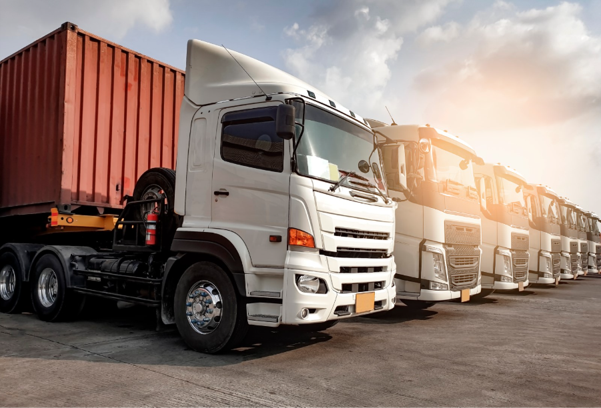


Running trucks, bakkies, taxis or delivery vehicles in South Africa comes with real operational risk. Poor road conditions, crime, long distances and tight margins mean that one serious accident, theft or hijacking can disrupt cash flow and put pressure on day to day operations.
Reliable fleet insurance in South Africa can help protect commercial vehicles, transported goods and the financial stability of a business when something goes wrong.
This guide explains transport and fleet cover in clear language, including the main options available, common policy features, South African transport risks and what to consider when making a claim.
What Is Transport and Fleet Insurance?
Transport insurance and fleet insurance are forms of commercial vehicle cover designed for businesses operating multiple vehicles, from a few delivery bakkies to a national logistics fleet.
Policies may structure cover around three main areas:
- Vehicles: Trucks, bakkies, cars and trailers.
- Cargo: Goods being transported, usually through Goods in Transit cover.
- Third party liability: Claims involving injury, property damage and certain clean up costs.
Rather than insuring every vehicle separately, a business may be able to arrange multiple vehicles under one policy, with one insurer, renewal date and premium structure. This can simplify administration and make commercial vehicle cover easier to manage.
It is worth comparing different fleet insurance structures rather than simply choosing the first quote. The cheapest option may not provide the limits, conditions or operational protection that suit your business.
Businesses can also request comparative quotes to explore fleet insurance options available from different South African commercial insurers.
Who Uses Fleet Insurance in South Africa?
Businesses that earn revenue through transporting people, stock, materials or equipment may consider dedicated fleet cover. This applies to large logistics operations, but also to smaller businesses with several commercial vehicles.
Common examples include:
- Logistics and trucking companies
- Courier and last mile delivery businesses
- Taxi, shuttle and staff transport operators
- Bus companies
- Construction and engineering firms
- Retailers and wholesalers operating delivery fleets
- Owner drivers managing multiple trucks or bakkies
Even a business with two or three delivery vehicles may want to explore fleet style options once the combined value of the vehicles and the potential cost of downtime becomes difficult to absorb independently.
For example, if one delivery bakkie is involved in an accident and normally completes several deliveries each day, the cost is not limited to repairing the vehicle. Missed deliveries, replacement transport and lost revenue can quickly add up.
Key Types of Fleet Insurance Cover to Consider
Comprehensive Motor Cover
Comprehensive cover is commonly used as the foundation of a commercial fleet policy. Depending on the insurer and policy wording, it may include cover for:
- Accidental damage
- Fire
- Theft and hijacking
- Hail and storm damage
- Third party liability
This type of cover is often considered for financed vehicles, newer fleets, heavy commercial vehicles and long distance transport operations.
Third Party, Fire and Theft
Third Party, Fire and Theft cover may include:
- Fire
- Theft and hijacking
- Liability for damage caused to other parties
It generally does not cover accidental damage to the insured vehicle itself. Businesses with older or lower value fleet assets may compare this option with comprehensive cover, depending on their risk profile and insurer requirements.
Third Party Only
Third Party Only cover generally responds to damage or injuries caused to other people or their property. It does not ordinarily provide cover for repair or replacement of the insured vehicle.
The suitability of each option depends on factors such as the value of the fleet, how vehicles are used and how much financial risk the business is prepared to retain.
Important Fleet Insurance Terms
Sum Insured
The sum insured is the amount for which a vehicle is covered. It may be based on market value, retail value or an agreed value, depending on the policy terms.
Excess
An excess is the amount the insured business contributes towards a claim. A higher excess may reduce the premium, but it also means the business will need to pay more when an insured event occurs.
Territory
Territory refers to the geographical area in which cover applies. A policy may apply within South Africa only or extend to certain cross border operations in SADC countries.
It is worth checking the territory carefully if vehicles regularly cross borders. A fleet that operates between South Africa and neighbouring countries may need different arrangements from one operating exclusively within a local area.
Understanding Goods in Transit Cover
Motor fleet insurance generally protects the vehicle itself. Goods in Transit insurance, often referred to as GIT, can protect the cargo being transported.
Depending on the policy wording, GIT cover may respond to loss or damage caused by:
- Theft
- Hijacking
- Accident damage
- Fire
- Certain temperature deviations
- Incidents during loading, transit or unloading
GIT Considerations
Commodity type: High risk goods such as electronics, fuel, cigarettes, alcohol and copper can attract higher premiums and stricter security conditions.
Limit per load: The maximum cargo value per load should reflect the goods routinely carried. If a load exceeds the insured limit, the business could face underinsurance when making a claim.
Ownership of goods: Some clients insure their own stock. In these circumstances, transporters may instead need to consider their contractual liability for loss arising from negligence. Contractual responsibilities should be clearly defined.
For a transporter carrying a R2 million load with a GIT limit that is significantly lower, for example, the gap could become a serious financial issue after a theft or hijacking. It is worth checking typical load values before selecting the limit.
Liability Cover for Fleet Operators
Liability insurance may protect a business when a third party claims for injury, death, property damage or financial loss arising from its operations.
Common liability options can include:
Third party liability: Cover for claims arising from injury, death or property damage caused by insured vehicles.
Employer’s Liability: May respond where an employee brings an eligible claim outside the scope of COIDA.
Public Liability: Cover for eligible claims from members of the public arising from business operations.
Environmental or pollution liability: May help with certain clean up costs and claims following fuel spills or hazardous material incidents.
A serious road accident, hazardous spill or injury claim can potentially exceed the value of the vehicle involved. Limits, exclusions and policy conditions vary between insurers, so these should be reviewed alongside the premium.
Special South African Transport Risks
Fleet operators in South Africa may need to consider additional protection for risks linked to local operating conditions.
Theft and Hijacking
Businesses operating on high risk routes or transporting high value goods may encounter enhanced security requirements. These can include tracking devices, control room monitoring or approved parking arrangements.
It is worth reviewing these security requirements before taking out a policy, as failing to meet a specific condition could affect a future claim. Failing to meet a specific condition could affect a future claim.
SASRIA Cover
SASRIA cover provides protection for qualifying losses linked to special risks such as riots, strikes, public disorder and civil commotion. It is commonly considered alongside commercial motor and fleet policies in South Africa.
Cross Border Operations
Businesses transporting goods across borders may need to confirm that their fleet insurance territory, recovery arrangements and liability cover extend to the countries in which they operate.
Infrastructure and Load Shedding Risks
Businesses with refrigerated vehicles, cold chain cargo or electronically controlled fleet systems may wish to discuss spoilage, refrigeration breakdown and power related operational risks with an insurance specialist.
Cover is policy specific and may be subject to strict terms. It is worth raising these risks upfront rather than discovering a gap after an incident.
Add Ons That May Protect Operations
Additional cover options may reduce the financial impact of a vehicle being off the road after an insured event.
Downtime or loss of use cover: May provide compensation or replacement vehicle support while a revenue generating vehicle is unavailable after a claim.
Towing and recovery: May include recovery following accidents, remote breakdowns or certain dangerous goods incidents.
Windscreen and glass cover: Can be relevant for commercial vehicles fitted with cameras, sensors and advanced driver assistance systems.
Driver personal accident cover: May provide specified benefits where drivers are injured or killed while on duty.
Trailer and equipment cover: Refrigeration units, cranes, trailers and other specialised equipment may require separate or specifically noted cover.
For a business that relies on every vehicle earning revenue, downtime can sometimes be as disruptive as the physical damage itself. This makes loss of use and recovery benefits worth discussing when comparing policies.
How Insurers Price Fleet Insurance in South Africa
Commercial insurers typically assess fleet risk using several factors, including:
- Vehicle types, age, value and replacement costs
- Routes, operating territories and cross border exposure
- Cargo type and maximum load values
- Previous claims history
- Driver age, licence status, experience and training
- Maintenance schedules and roadworthiness controls
- Vehicle tracking, telematics, dashcams and geofencing
- Yard security, CCTV, access control and overnight parking arrangements
A strong risk management programme can make it easier for insurers to assess a fleet. Good records around driver training, maintenance, tracking and security can also help demonstrate how the business manages its exposure.
Common Exclusions and Claims Issues
Insurance cover is subject to policy wording, exclusions and conditions. Common issues that may affect a claim include:
- Unauthorised drivers or drivers without valid licences and PDPs where required
- Unroadworthy vehicles, including defective brakes, worn tyres or expired licence discs
- Overloading or use outside the vehicle’s declared purpose
- Failure to follow mandatory security requirements, such as tracking or approved parking conditions
- Delayed reporting to the insurer, tracking provider or SAPS
- Carrying goods with a value above the declared GIT limit
A clear incident response procedure for drivers, dispatch teams and managers can help ensure information is collected promptly after an accident, theft or hijacking.
It can also be useful to make the process practical. A driver who has just been involved in a serious accident is unlikely to remember a complicated procedure. A simple incident card kept in the vehicle can give them the key steps when they need them most.
How to Compare Fleet Insurance Quotes
- Map Your Risk Profile
Before requesting quotes, prepare accurate information on:
- Vehicle types, values and registration details
- Driver profiles and licence requirements
- Typical routes and territories
- Goods or cargo regularly transported
- Security and tracking measures
- Claims history and current insurance arrangements
The more accurate this information is, the easier it is for insurers to assess the fleet against its actual operating conditions.
- Compare More Than One Premium
Premiums can vary between insurers because of differences in underwriting models, excess structures, security requirements, limits and claims support.
Comparing more than one option can help a business understand the available commercial fleet insurance structures rather than focusing only on the headline monthly premium.
- Assess Cover, Limits and Conditions
When comparing options, look beyond the monthly premium. Review:
- Excess amounts
- Vehicle and cargo limits
- Theft and hijacking conditions
- Downtime benefits
- Cross border cover
- Liability limits
- Claims service and recovery support
- Telematics or tracking requirements
A lower premium is not necessarily better if it comes with higher excesses, lower limits or conditions that are difficult for your fleet to meet.
- Request Comparative Quotes
Rather than approaching insurers individually, businesses can request a call back and be connected with commercial insurance specialists who can provide comparative options from leading South African insurers.
This gives fleet operators an opportunity to compare cover structures, premiums and policy conditions without treating a single quote as the only available option.
What to Do After an Incident
A documented response process can support a smoother claims experience.
- Put safety first and arrange medical assistance where necessary.
- Secure the scene where it is safe to do so and prevent further loss or danger.
- Notify the relevant manager, control room, tracking provider and insurer as soon as possible.
- Report theft, hijacking and serious accidents to SAPS and obtain a case number.
- Collect available evidence, including photographs, GPS coordinates, witness details, dashcam footage and vehicle information.
- Submit the required claim documentation promptly and retain copies of all records.
Many fleet operators keep an accident or incident procedure card in every vehicle. It is a small addition, but it can make a stressful situation much easier for a driver to navigate.
Get Comparative Fleet Insurance Quotes
Fleet insurance in South Africa can form an important part of a broader transport risk management strategy. The appropriate structure depends on the vehicles operated, cargo carried, routes travelled, security controls and the business’s ability to absorb downtime or uninsured losses.
It is worth looking beyond the premium and considering what could happen if a vehicle is stolen, a load is hijacked or a serious accident takes one of your main revenue generating vehicles off the road.
Ready to explore your options? Request a call back and we can connect you with commercial insurance specialists to compare fleet insurance quotes and cover options for your vehicles and operations.
Get Business Insurance Quotes Today
*Based on your profile, your details will be sent to insurance partners that will best serve your needs. That may be a different company than the one featured on this page and form.